October 2026HackGB
Winner · MLH Best Use of Vultr
FoxWatch
An evidence-first platform for investigating algal blooms in the Fox River and Green Bay. FoxWatch brings together live USGS water measurements, Sentinel-2 satellite imagery, scientific research, and understandable AI explanations in one dashboard.
The full-stack system uses machine-learning models to estimate bloom probability and chlorophyll fluorescence, validates spatial estimates against withheld boat-survey measurements, and clearly distinguishes measured data, model estimates, and remaining uncertainty.
PythonFastAPIReactTypeScriptSatellite imageryMachine learning
September 2026HackMIT
GiveCampus sponsor track winner · Grand prize
DonoRex
A decision tool for university fundraising teams. DonoRex scores constituent data and builds a ranked, time-budgeted weekly queue with a recommended action, estimated minutes, and evidence for every suggestion.
I led the architecture, data pipeline, core logic, APIs, and Microsoft 365 Autopilot integration. The system uses deterministic TypeScript and a greedy optimizer, with approval required before any outreach is sent.
TypeScriptNext.jsMicrosoft GraphOAuthOptimization
July 2026Direct Supply intern challenge
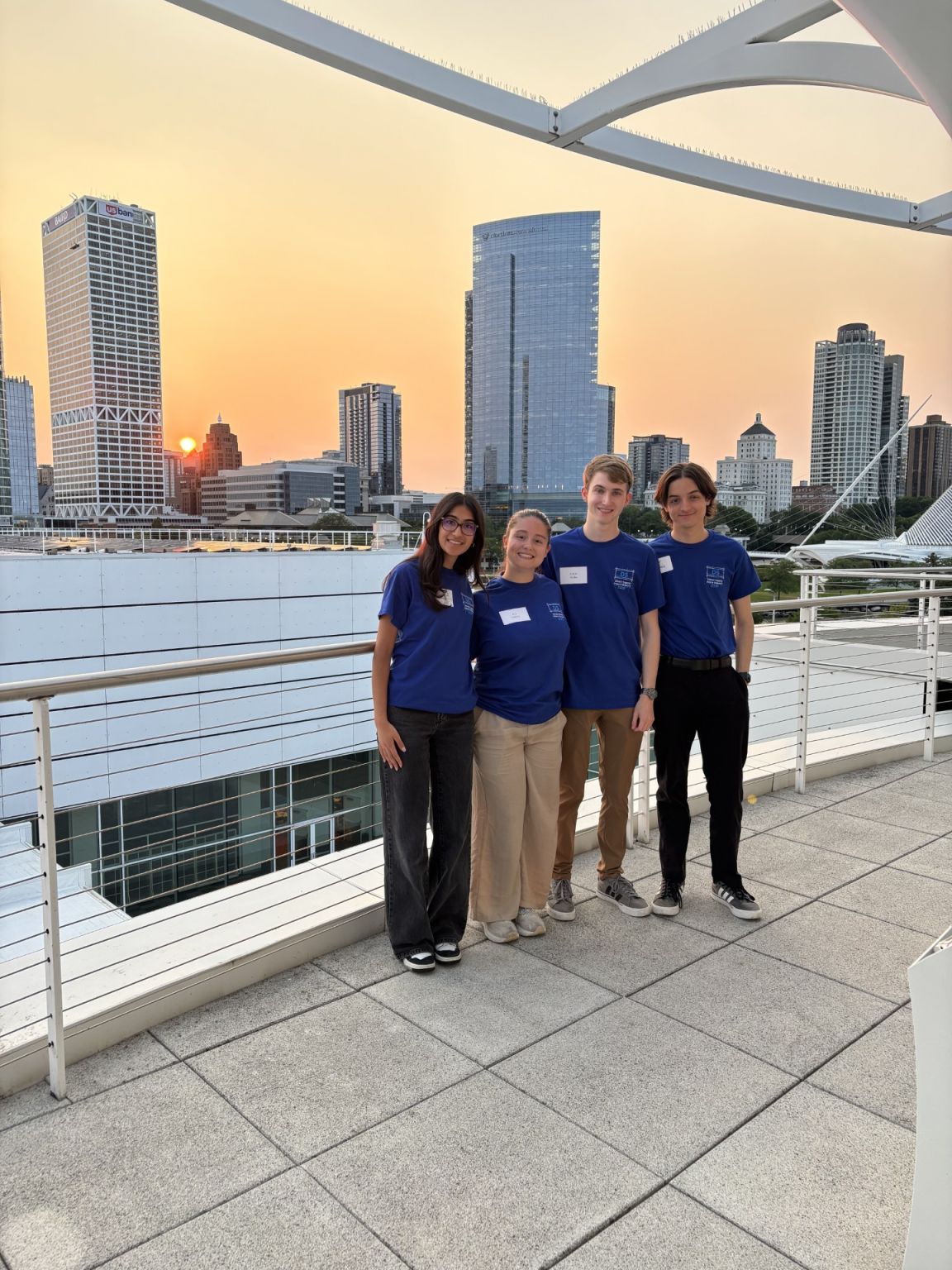
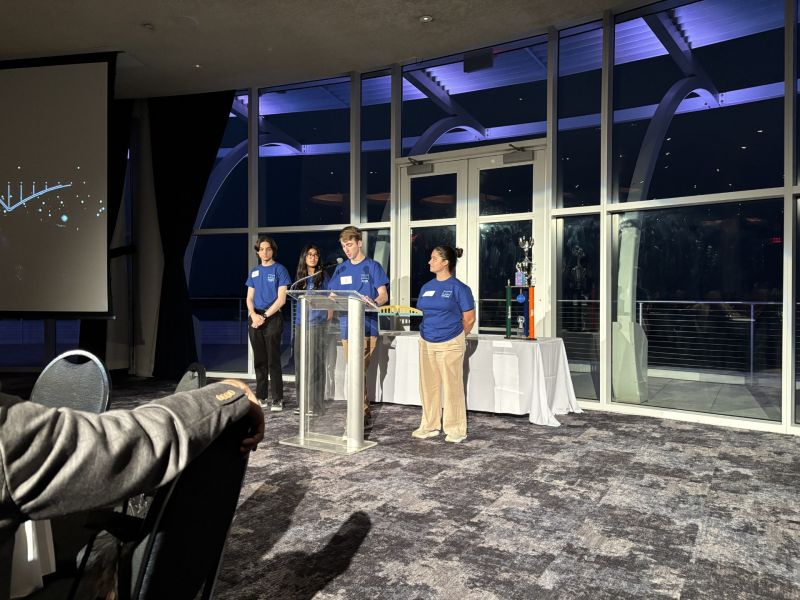
Light the Hoan
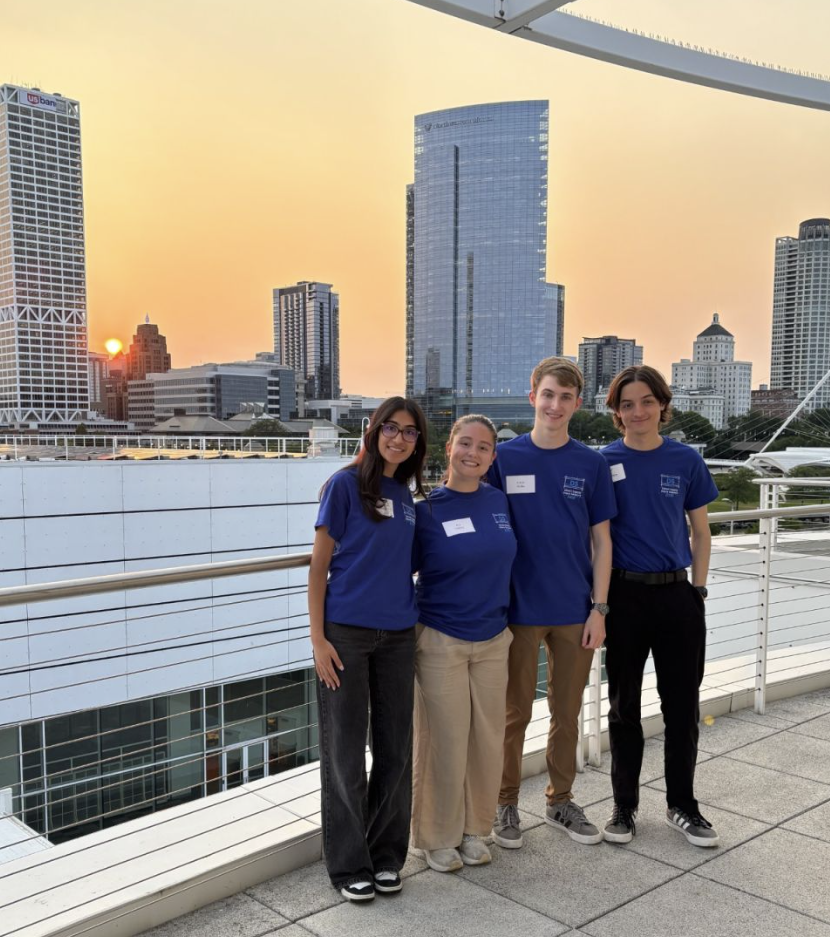
My intern team designed an original light show for Milwaukee’s Hoan Bridge, translating Direct Supply’s mission into a coordinated visual story. We presented the concept alongside teams from 13 companies.
Creative technologyTeam designPresentation
February–May 2026Persistent Systems MAIC
First place
Lescribe
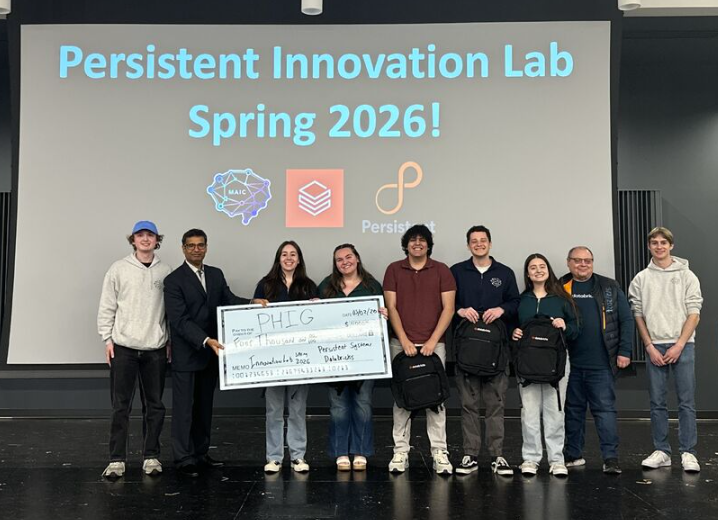
An autonomous medical coding assistant that transcribes doctor-patient conversations with AssemblyAI and coordinates specialist agents in LangGraph to generate ICD-10-CM and CPT codes.
Semantic retrieval searches more than 500 embedded coding-rule chunks for each case. The HIPAA-conscious React and TypeScript app includes patient context, PHI redaction, and reached 96.9% ICD and 85.6% CPT accuracy on our hand-labeled evaluation set.
LangGraphRAGDatabricksReactAssemblyAI
January–May 2026Computer architecture
Single Cycle Processor
I built an ARMv4 CPU from scratch in VHDL, including the ALU, register file, immediate extender, rotator, barrel shifter, and combinational control. The design ran on a MAX 10 FPGA with memory-mapped motors, sensors, LEDs, and seven-segment displays.
ARM assembly programs drove seven robot behaviors, supported by timing simulations and on-board testing in Quartus.
VHDLARMv4FPGAQuartusEmbedded I/O
January 2026Hack-4-Health
Third place
BenMed
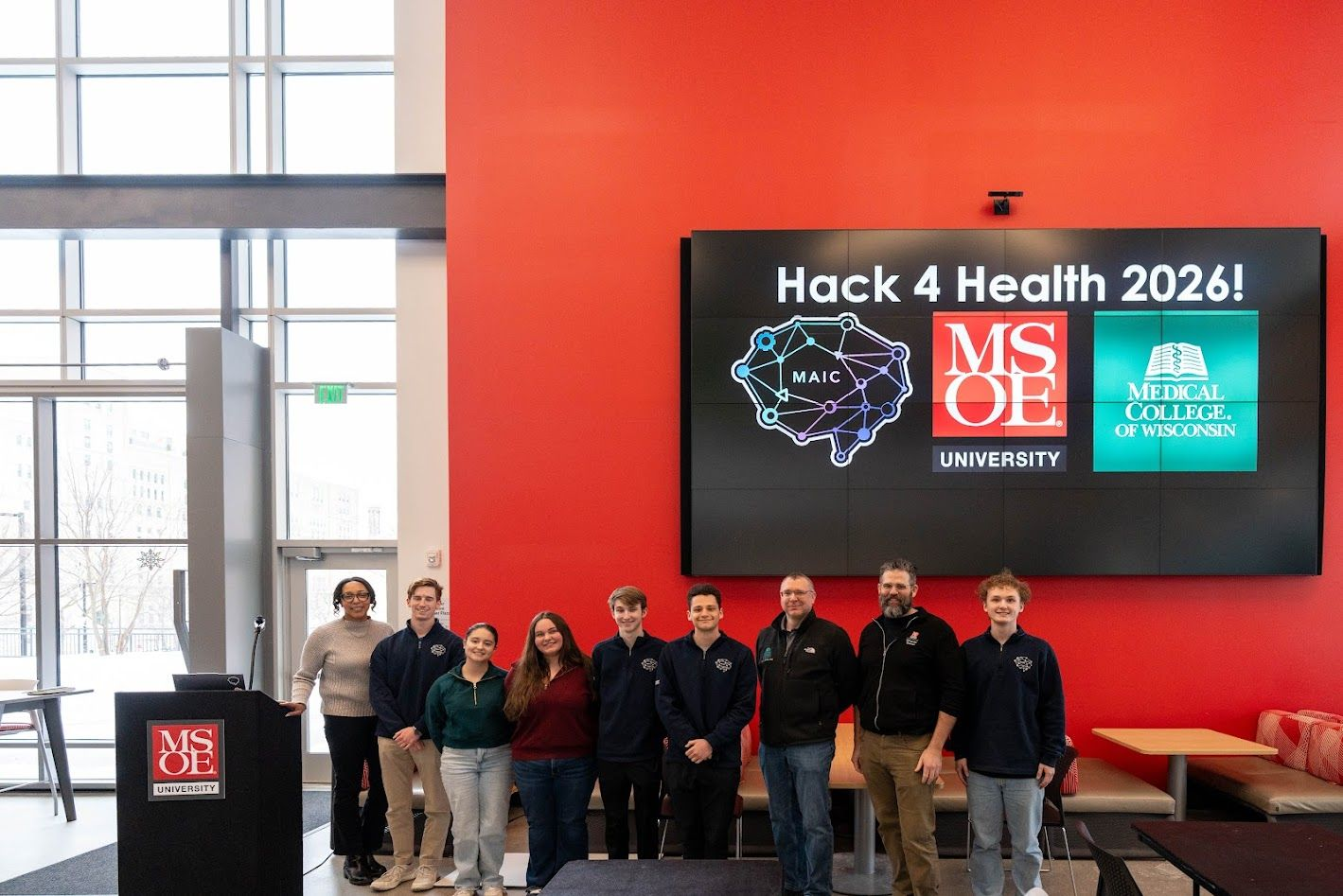
A medical report summarization tool built at the MSOE AI Club’s Hack-4-Health, hosted by the Medical College of Wisconsin. MedSpaCy extracts clinical information, Gemini rewrites it in plain language, and a seven-stage validation pipeline checks the result.
Exa.ai adds citations so readers can trace unfamiliar terms and claims to supporting sources.
PythonMedSpaCyGeminiExa.aiValidation
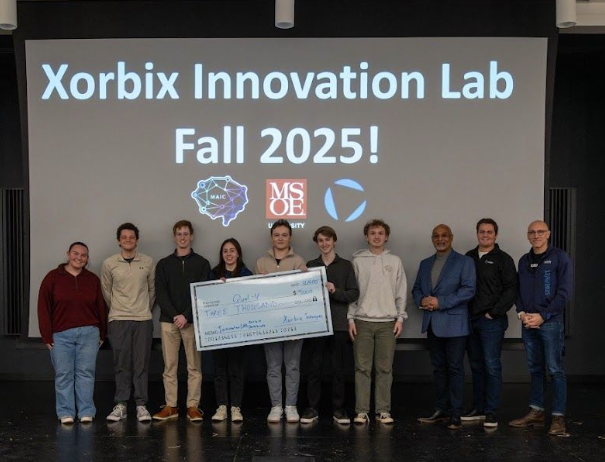
October–December 2025Xorbix MAIC
First place
Qual-V
A real-time manufacturing quality platform using three YOLO models on Databricks: a 99.5% mAP@50 jar detector, a 94% intact-versus-damaged classifier, and a 78% multiclass damage model.
I hand-labeled data in Roboflow and split and fine-tuned the binary classifier. A human-in-the-loop workflow captures feedback, retrains models, and replaces approved versions through the MLflow registry.
YOLODatabricksRoboflowMLflowReact
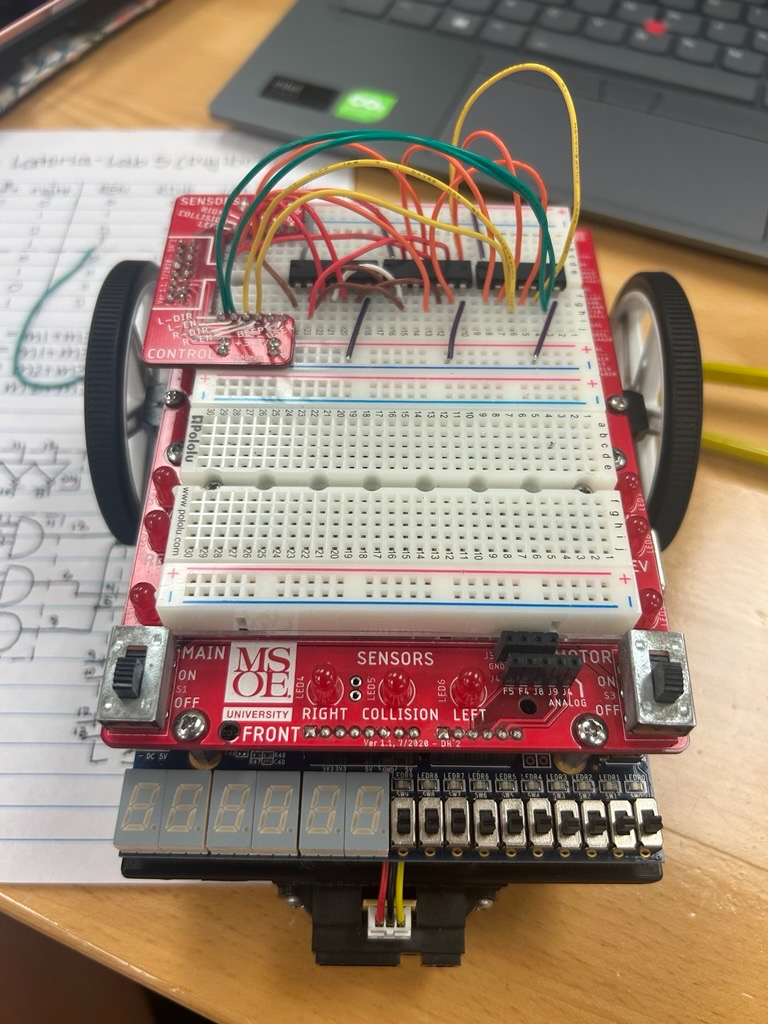
September–December 2025Digital logic
Digital Robot
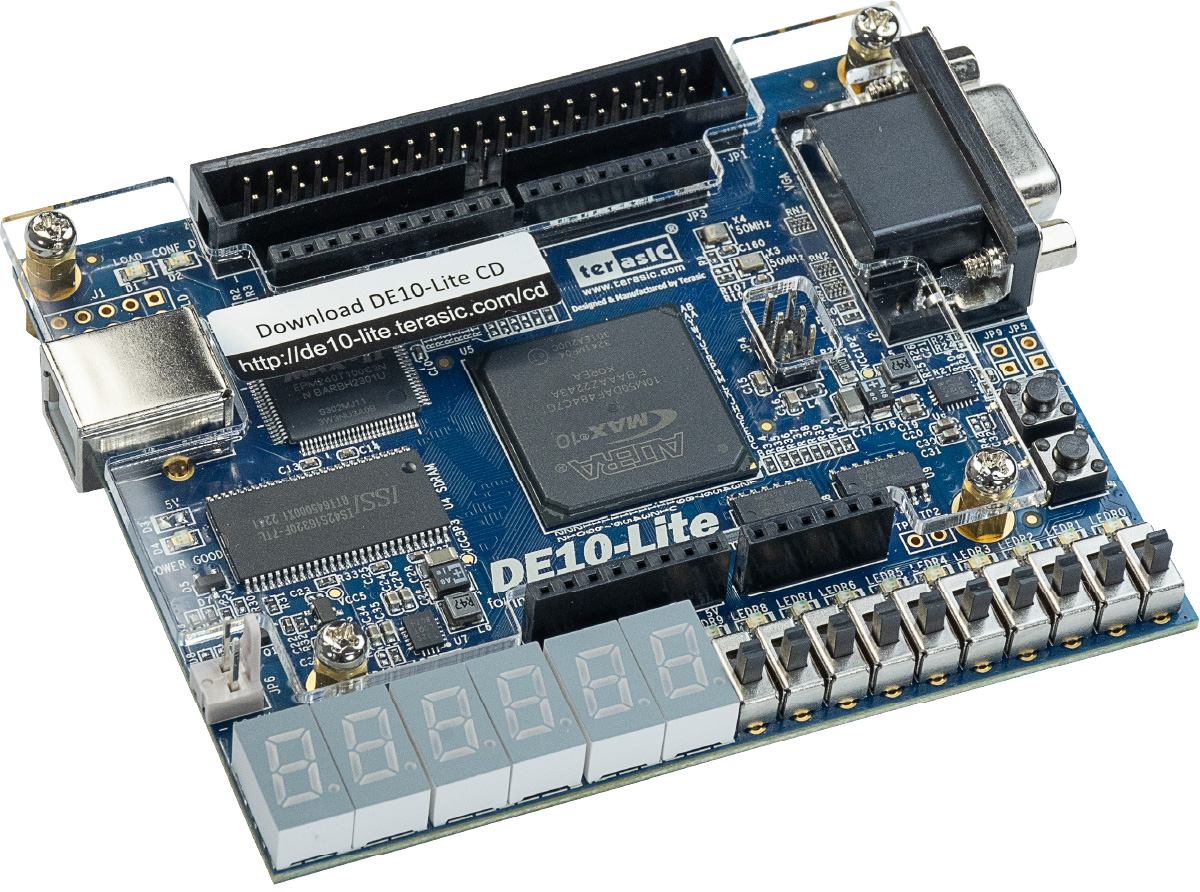
An autonomous robot implemented in VHDL and digital logic on a DE10-Lite FPGA. I integrated motors, infrared and collision sensors, and a breadboarded interface so the robot could follow a track, stop at crossroads, avoid collisions, and show its current action on a seven-segment display.
VHDLDE10-LiteDigital logicSensorsBreadboarding
August 2024–May 2025Competitive robotics
First place · school competition
VEX Robotics
VEX Robotics is a competitive program where teams design, build, and program robots for game-based challenges. Throughout the season, I applied the engineering design process to prototype, test, and refine our robot using feedback from real matches.
We built with VEX V5 components, motors, sensors, and the V5 Brain. I programmed driver-control routines in VEXcode C++ and used sensor feedback to improve navigation and responsiveness. My team won first place alongside a partner team in a school competition—my first hands-on experience with competitive robotics and hardware-software integration.
C++VEXcodeV5 BrainMotorsSensors